May 12, 2026
Commercial properties operate on an entirely different scale than residential structures, and that difference extends directly to the roof. From structural demands to compliance requirements, commercial roofing is a specialized discipline that calls for experience, equipment, and planning beyond what typical residential work requires. Choosing the right roofing contractor is not just about installation—it’s about long-term performance, safety, and cost control.
For property owners, facility managers, and developers, understanding why commercial buildings require specialized roofing services helps prevent costly mistakes and ensures the integrity of the entire structure.
Scale
The most immediate difference between residential and commercial roofing lies in sheer size. Commercial roofs often span thousands—or even hundreds of thousands—of square feet. This scale fundamentally changes how projects are planned, staffed, and executed.
Larger surface areas require more materials, more labor, and more logistical coordination. It’s not just about installing shingles or membranes; it’s about managing delivery schedules, staging materials efficiently, and maintaining workflow consistency across a massive footprint. A qualified roofing company must have the operational capacity to handle these moving parts without delays or errors.
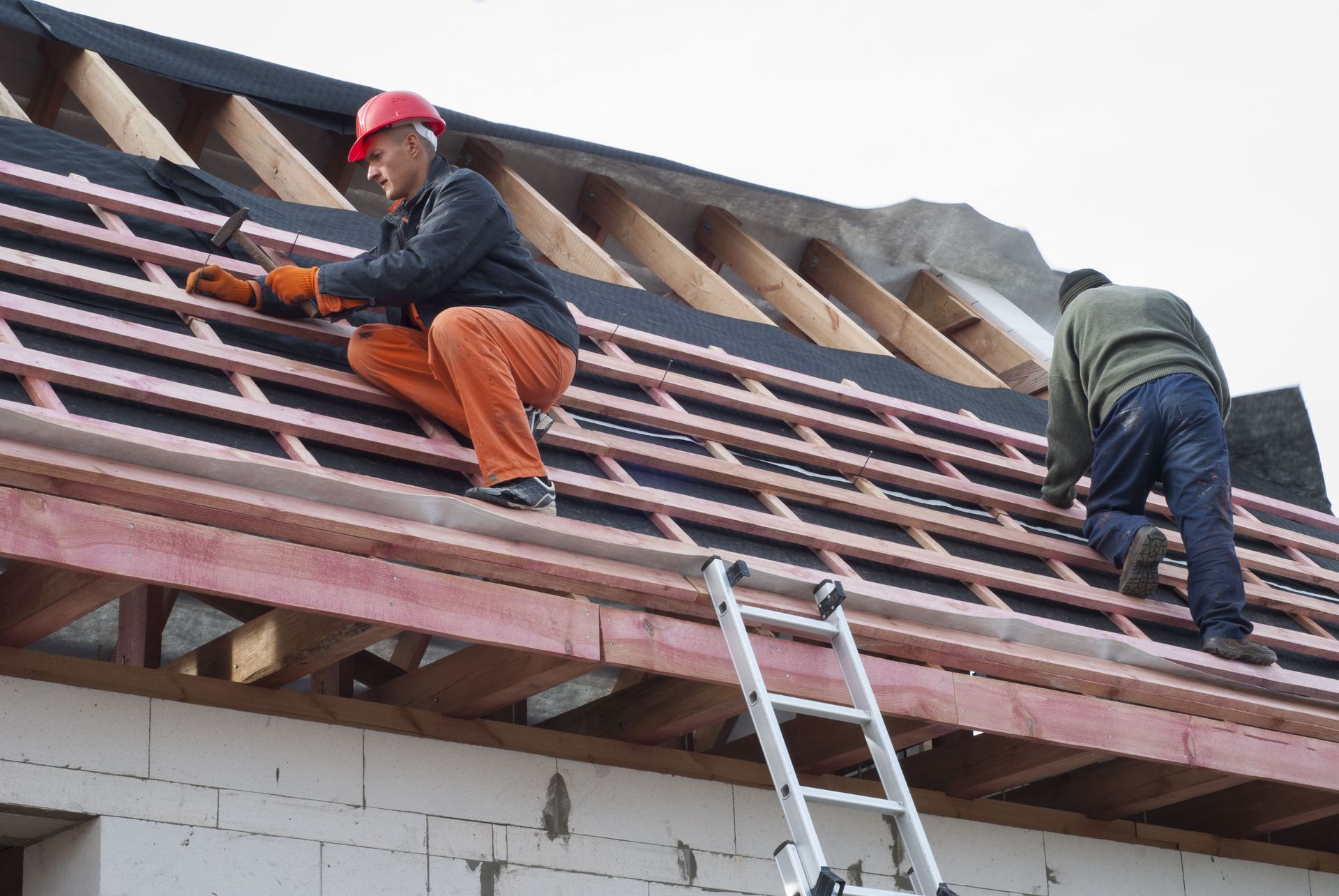
Labor requirements also differ significantly. According to GAF Materials, residential roofing crews typically consist of around four to six workers, while commercial roofing projects demand larger teams to meet both scale and timeline expectations. This increased manpower isn’t just about speed—it’s about maintaining quality across a much larger and more complex installation area.
Additionally, commercial roofs often include multiple zones, penetrations, and structural variations. HVAC systems, skylights, vents, and drainage components all need to be integrated seamlessly. A roofing contractor working in this space must understand how to coordinate with other trades and ensure the roof system supports the building’s overall functionality.
Complexity
Commercial roofing systems are far more complex than their residential counterparts. Instead of standard asphalt shingles, these roofs typically use materials such as TPO, EPDM, PVC, or modified bitumen—each with its own installation methods, performance characteristics, and maintenance requirements.
Flat or low-slope designs introduce another layer of complexity. Unlike pitched residential roofs that naturally shed water, commercial roofs must be carefully engineered to manage drainage. Improper installation can lead to ponding water, which accelerates wear and increases the risk of leaks.
This complexity demands a roofing contractor with specialized knowledge of commercial systems. It’s not enough to understand roofing in general—the contractor must be fluent in commercial-grade materials, insulation strategies, and waterproofing techniques.
Building codes and regulations also play a larger role in commercial projects. Fire ratings, wind uplift resistance, and energy efficiency standards must all be met, often requiring detailed documentation and inspections. A knowledgeable roofing contractor ensures compliance from the outset, reducing the risk of costly rework or legal issues down the line.
Moreover, commercial roofs are often part of larger building systems. They may support solar panels, green roofing elements, or heavy mechanical equipment. Each of these additions introduces structural and performance considerations that must be accounted for during installation and maintenance.
Safety
Safety requirements in commercial roofing are significantly more stringent due to the scale, height, and complexity of the work. Larger crews, heavier materials, and extended project timelines all increase the potential for risk.
Fall protection systems, OSHA compliance, and jobsite safety protocols are non-negotiable in commercial environments. A professional roofing contractor must have established safety procedures in place, along with proper training and certifications for their crew.
In addition to worker safety, there’s also the issue of occupant safety. Many commercial buildings remain operational during roofing projects, meaning contractors must minimize disruptions and ensure that employees, customers, and tenants are not exposed to hazards.
This includes managing noise levels, controlling debris, and maintaining secure work zones. A reliable roofing contractor understands how to balance project efficiency with safety, ensuring that operations can continue without unnecessary risk.
Insurance and liability considerations are also more complex in commercial settings. Property owners need assurance that the contractor carries appropriate coverage and adheres to industry best practices. This level of accountability is critical when dealing with high-value properties and large-scale investments.
Longevity
Commercial roofs are long-term assets, often designed to last 20 years or more with proper maintenance. Achieving that lifespan requires more than just quality materials—it requires strategic installation, regular inspections, and proactive repairs.
Unlike residential roofs, which are often replaced entirely when they reach the end of their lifespan, commercial roofs are frequently maintained and restored over time. Coatings, patching, and targeted repairs can extend the life of the system and delay the need for full replacement.
A skilled roofing contractor plays a key role in this lifecycle approach. From initial installation to ongoing maintenance, the contractor ensures that the roof performs as expected and adapts to changing conditions.
Energy efficiency is another important factor in commercial roofing longevity. Reflective coatings and insulation systems can significantly reduce energy costs, making the roof an active contributor to the building’s overall performance. A knowledgeable roofing company can recommend solutions that align with both budget and sustainability goals.
Preventative maintenance programs are particularly valuable for commercial properties. Regular inspections help identify minor issues before they escalate into major problems, protecting both the roof and the building’s interior. Partnering with an experienced roofer ensures that these programs are executed effectively and consistently.
Coordination
Commercial roofing projects rarely exist in isolation—they are part of a broader construction or facility management ecosystem. Unlike residential jobs, where the roofing team can often work independently, commercial projects demand tight coordination across multiple stakeholders, including general contractors, engineers, property managers, and other specialized trades.
Timing is one of the biggest variables. Roofing installation may need to align with HVAC work, electrical systems, or structural modifications. Delays or miscommunication in one area can cascade into costly setbacks across the entire project. An experienced roofer understands how to integrate into these workflows, maintaining clear communication and adapting to shifting timelines without compromising quality.
Material staging and site logistics also require advanced planning. Large commercial properties often have limited access points, active loading zones, or ongoing business operations that must continue uninterrupted. This means deliveries, equipment placement, and waste removal must be carefully orchestrated. A capable roofing company will develop a detailed logistics plan that minimizes disruption while maintaining efficiency.
Another layer of coordination involves documentation and reporting. Commercial clients often require progress tracking, compliance records, and detailed project updates. This level of transparency is essential for accountability and decision-making, particularly on large or multi-phase projects. A professional
roofing contractor provides consistent reporting and maintains clear documentation throughout the project lifecycle.
Ultimately, successful commercial roofing is as much about management as it is about installation. Strong coordination ensures that every component—from materials to manpower—works together seamlessly, reducing risk and delivering a more predictable outcome.
Commercial roofing is a specialized field that demands expertise, coordination, and a deep understanding of large-scale building systems. From the size of the project to the complexity of materials and the importance of safety, every aspect requires a higher level of precision than residential work. Choosing the right roofer is essential to protecting your investment and ensuring long-term performance.
If you’re managing or developing a commercial property, don’t leave your roofing needs to chance. Trust the experienced team at Montenegro Restoration to deliver reliable, high-quality solutions tailored to your building. Contact Montenegro Restoration today to schedule a consultation and keep your property protected for years to come.