July 8, 2026
Establishing a solid overhead structure remains a paramount decision for property owners seeking to protect their investments and ensure long-term security. The process involves evaluating several variables, from local climate patterns and architectural styles to long-term maintenance requirements and initial financial outlays. Property owners often find themselves overwhelmed by the sheer volume of options available in the modern marketplace, which complicates the selection process significantly. Navigating these choices requires a deep understanding of how different materials perform under environmental stress and how they align with specific architectural designs. Engaging with professional roofing companies can provide the necessary clarity, helping owners sift through options to find the perfect fit for their structural needs. Ultimately, making an informed choice ensures that the building remains safe, energy efficient, and visually appealing for many decades to come. Investing time in researching materials upfront prevents costly replacements and premature failures down the road.
Selecting Asphalt Shingles for Traditional Homes
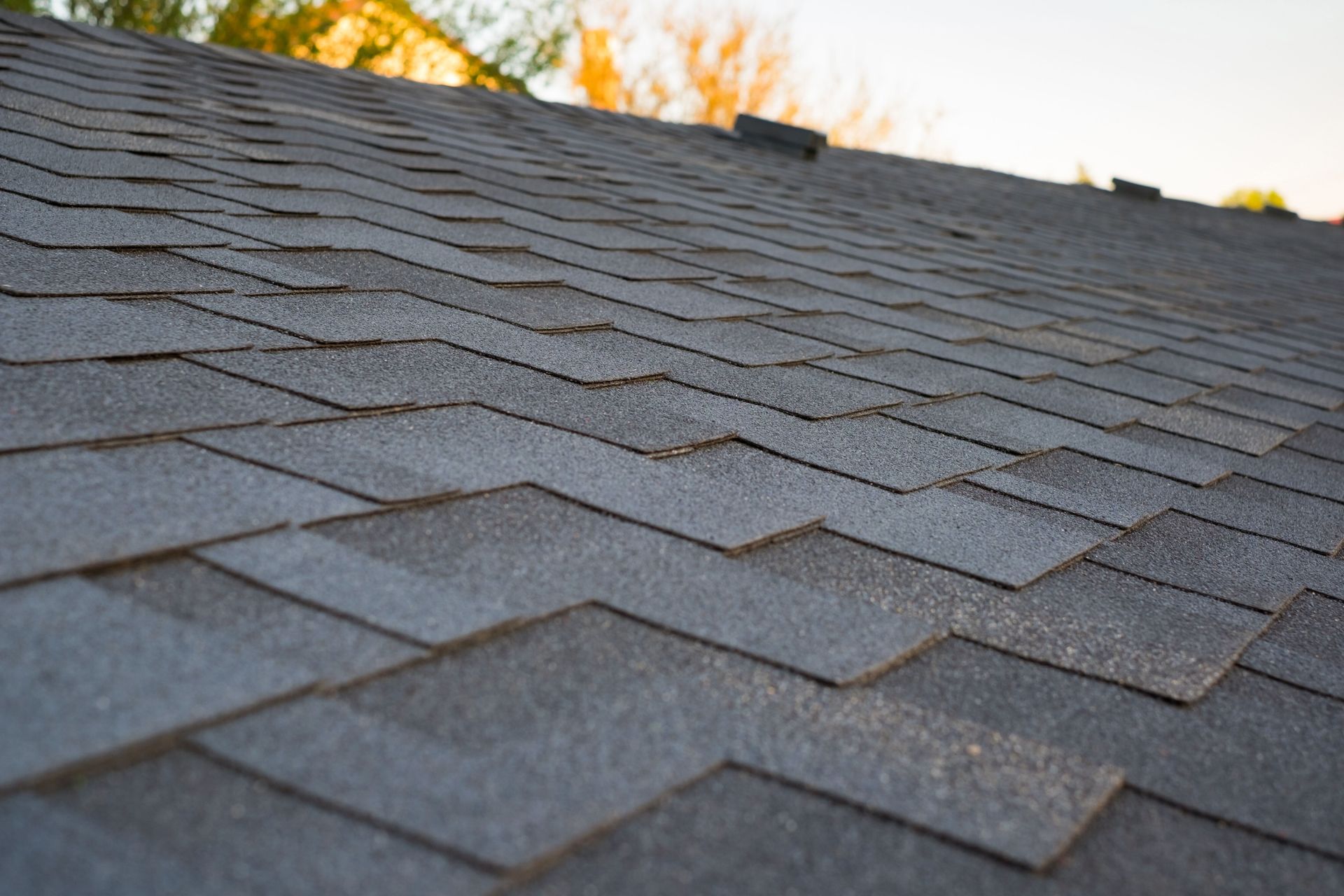
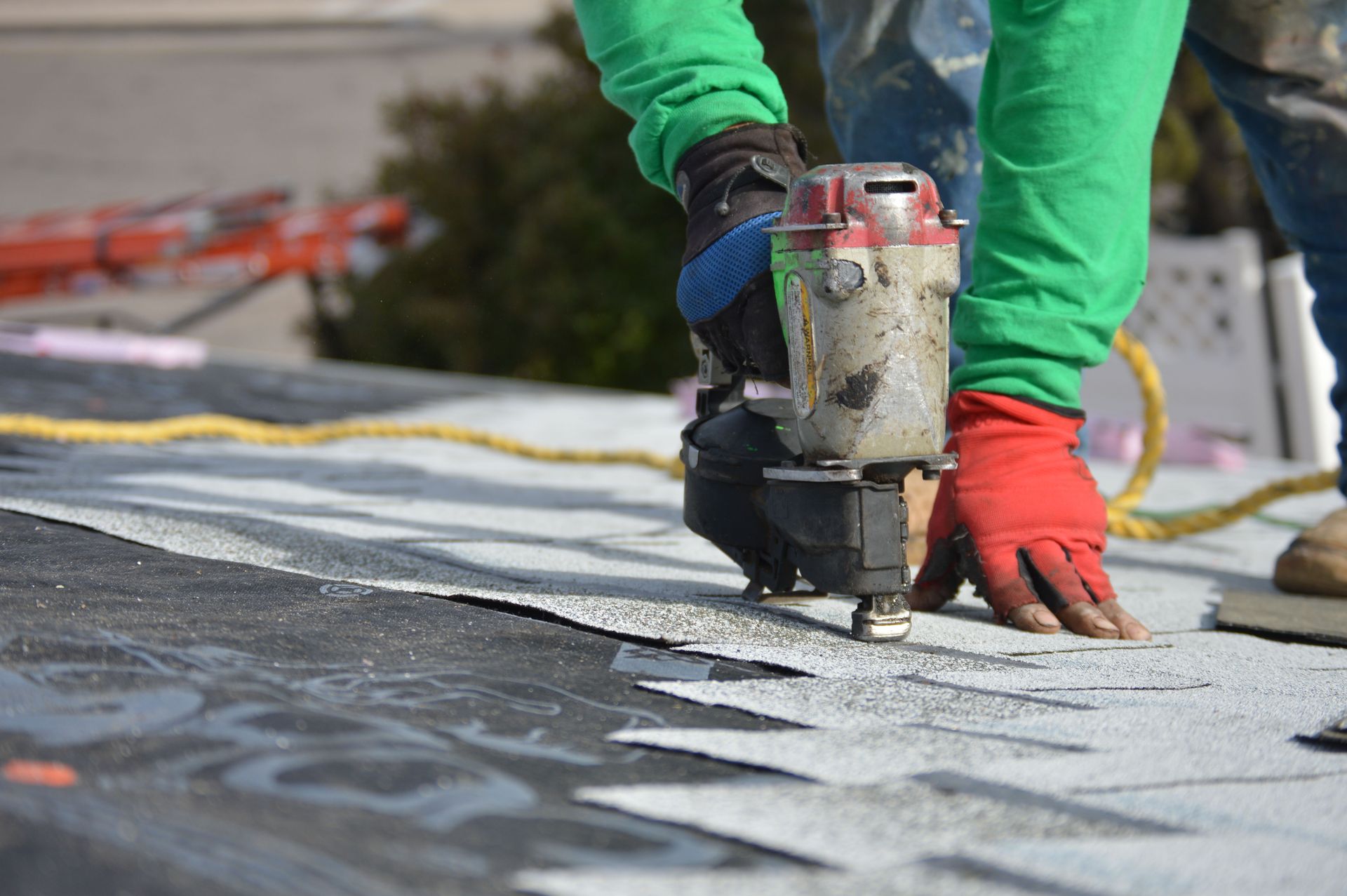
Asphalt options represent a highly popular choice for residential properties across the nation due to their balanced combination of affordability and aesthetic flexibility. Property owners frequently select this material because it accommodates a wide range of architectural designs, mimicking more expensive alternatives while keeping initial installation costs manageable. The installation process is relatively straightforward, which makes it a preferred option for many local roofing companies looking to complete projects efficiently without sacrificing quality. This material comes in various styles, including architectural and traditional strip varieties, allowing for customization that enhances the overall curb appeal of any standard residential property. Homeowners can choose from an extensive palette of colors to complement their existing siding and landscaping perfectly.
Beyond their initial affordability, these options offer a reliable shield against diverse weather conditions, including moderate wind, rain, and solar exposure. Maintenance remains relatively simple, as individual pieces can be replaced easily if damage occurs during severe weather events. According to Forbes, asphalt shingles last for 20 years on average. This makes them a dependable baseline choice for anyone looking to secure their property without committing to the extreme expense of premium materials. When working with established roofing companies, owners can maximize this lifespan through regular inspections and timely repairs.
Choosing Metal Roofing for Modern Structures
Metal panels have experienced a massive surge in popularity for both residential and commercial buildings seeking a contemporary aesthetic combined with exceptional resilience. This material excels at shedding heavy snow and resisting intense winds, making it an excellent investment for geographical areas prone to severe seasonal storms. Property owners appreciate the low maintenance requirements associated with metal, as it does not suffer from issues like rot, mold, or insect infestation that plague organic materials. Many progressive roofing companies recommend metal systems because they reflect solar radiant heat, which drastically reduces cooling costs during hot summer months. This thermal efficiency translates directly into lower monthly utility bills, providing ongoing financial relief for property managers.
The initial financial investment for metal can be higher than traditional alternatives, but the extended performance lifecycle often justifies the upfront expenditure. Panels are crafted from steel, aluminum, copper, or zinc, providing distinct visual options that age gracefully over time while maintaining structural integrity. The lightweight nature of these panels also reduces the structural load on the building framing, eliminating the need for additional reinforcement. Entrusting the installation to experienced roofing companies ensures that the specialized fastening systems are applied correctly, preventing leaks and guaranteeing long-term performance.
Picking Clay Tiles for Warm Climates
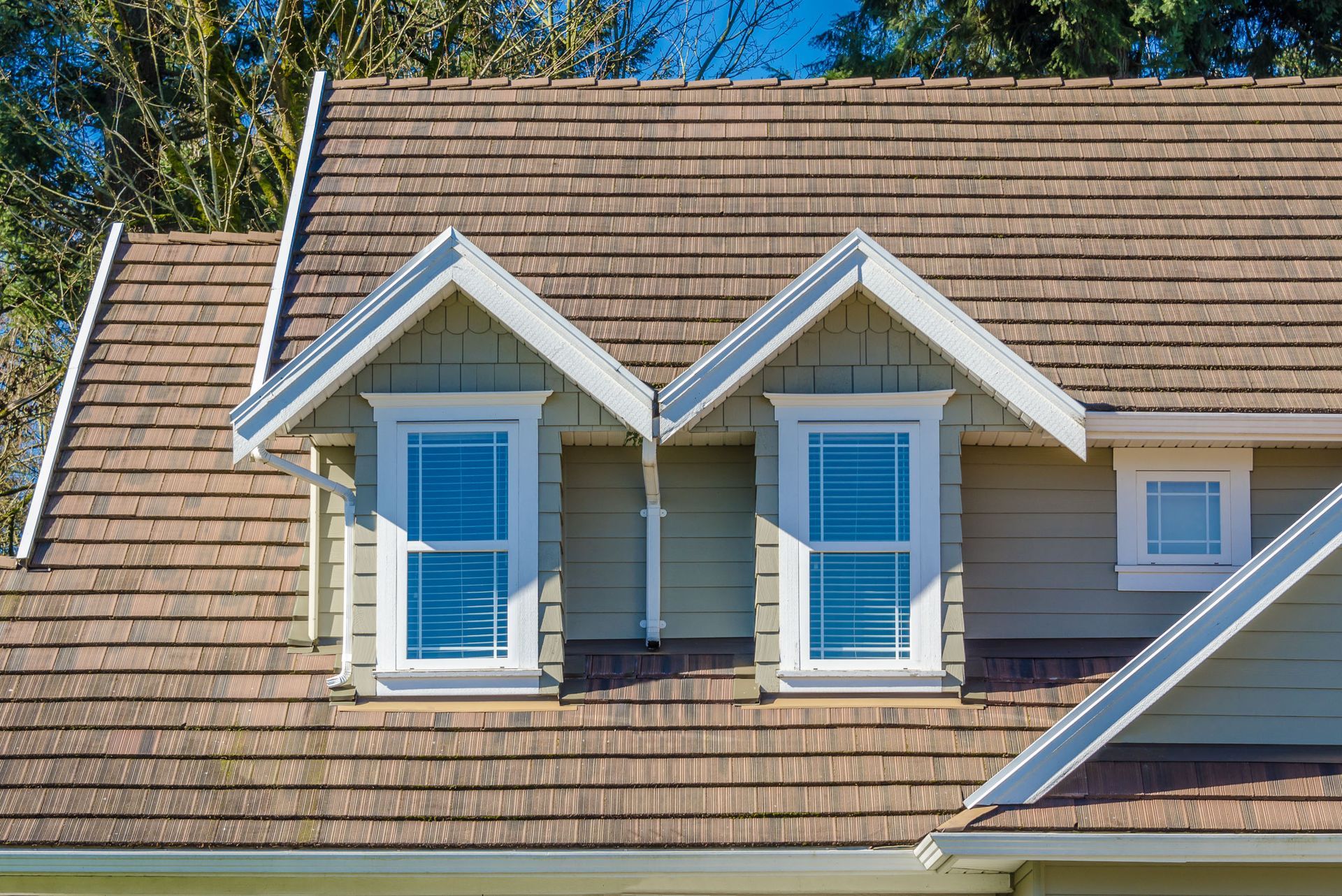
Clay tiles offer a timeless, distinctive look that defines specific architectural styles, particularly southwestern and Mediterranean designs that favor earthy tones and elegant curves. This material is uniquely suited for hot, arid environments where intense sunlight and high temperatures can degrade alternative materials over time. The natural composition of clay provides exceptional thermal mass, meaning it absorbs heat during the day and releases it slowly at night, which helps stabilize indoor temperatures. Specialized roofing companies frequently install these systems in coastal regions because clay possesses natural resistance to salt air corrosion and heavy rainfall. The inherent durability of fired clay ensures that the vibrant colors do not fade even after prolonged exposure to harsh UV rays.
However, the substantial weight of clay requires a robust structural framework capable of supporting the heavy load, which may necessitate a structural assessment before installation. While the material cost and labor intensity are significant, the resulting roof can endure for generations with minimal degradation when properly maintained. Cracking can occur if heavy objects impact the tiles, but individual replacements are possible without disrupting the entire system. Partnering with reputable roofing companies ensures that the underlying waterproofing layers are meticulously installed, which is critical for the long-term success of a clay tile system.
Opting for Slate Elements for Historical Buildings
Slate represents the pinnacle of luxury and durability in the industry, offering an unparalleled natural appearance that enhances historical and high-end properties. Each piece of slate is quarried from natural stone, resulting in unique color variations and textures that cannot be perfectly replicated by synthetic alternatives. This material is completely fireproof, impervious to water absorption, and highly resistant to severe freeze and thaw cycles that cause other materials to crack. Because of the specialized skills required to handle natural stone, property owners must seek out specialized roofing companies with specific expertise in traditional masonry techniques.
The primary considerations when choosing natural stone are the substantial weight and the premium financial commitment required for both materials and skilled labor. Buildings must be structurally verified to handle the immense weight of the stone slabs, which often requires collaboration between structural engineers and contractors. Despite these challenges, the investment provides an incredibly long lifecycle that easily outlasts virtually every other option on the market. Experienced roofing companies can carefully anchor each piece using copper or stainless steel nails, ensuring the system remains secure against the elements for generations.
Installing Flat Membranes for Commercial Systems
Commercial and contemporary residential structures with low-slope designs require specialized membrane systems rather than traditional overlapping shingles or tiles to prevent water accumulation. Materials such as thermoplastic polyolefin or ethylene propylene diene monomer create a continuous, seamless barrier that effectively seals the building against moisture infiltration. These synthetic membranes are highly resistant to ultraviolet radiation, chemical exposure, and physical punctures, making them ideal for urban environments with high pollution levels. Commercial roofing companies specialize in applying these membranes using heat welding or advanced adhesives to ensure complete water tightness across expansive flat areas.
Proper drainage remains the most critical factor for flat systems, requiring precise sloping toward drains and scuppers to avoid ponding water, which accelerates material degradation. Regular inspections are vital for identifying seam separations or punctures caused by foot traffic or maintenance equipment servicing rooftop climate control units. The reflective properties of light colored membranes contribute significantly to reducing urban heat island effects and lowering building energy consumption. Working with qualified roofing companies allows building owners to establish comprehensive preventative maintenance plans that extend the functionality of these advanced membrane systems.
Selecting the appropriate material for an overhead structure involves balancing aesthetic desires, environmental conditions, architectural limitations, and long-term financial goals. Whether prioritizing the immediate affordability of traditional options, the modern efficiency of metal, or the historic elegance of natural stone, each choice carries distinct advantages. Making the right decision requires a thorough assessment of the building's structural capacity and local weather patterns, guided by professional expertise. For property owners seeking exceptional craftsmanship and reliable guidance through this complex selection process, contacting Montenegro Restoration provides the ideal solution for securing a durable, beautiful, and lasting asset.